
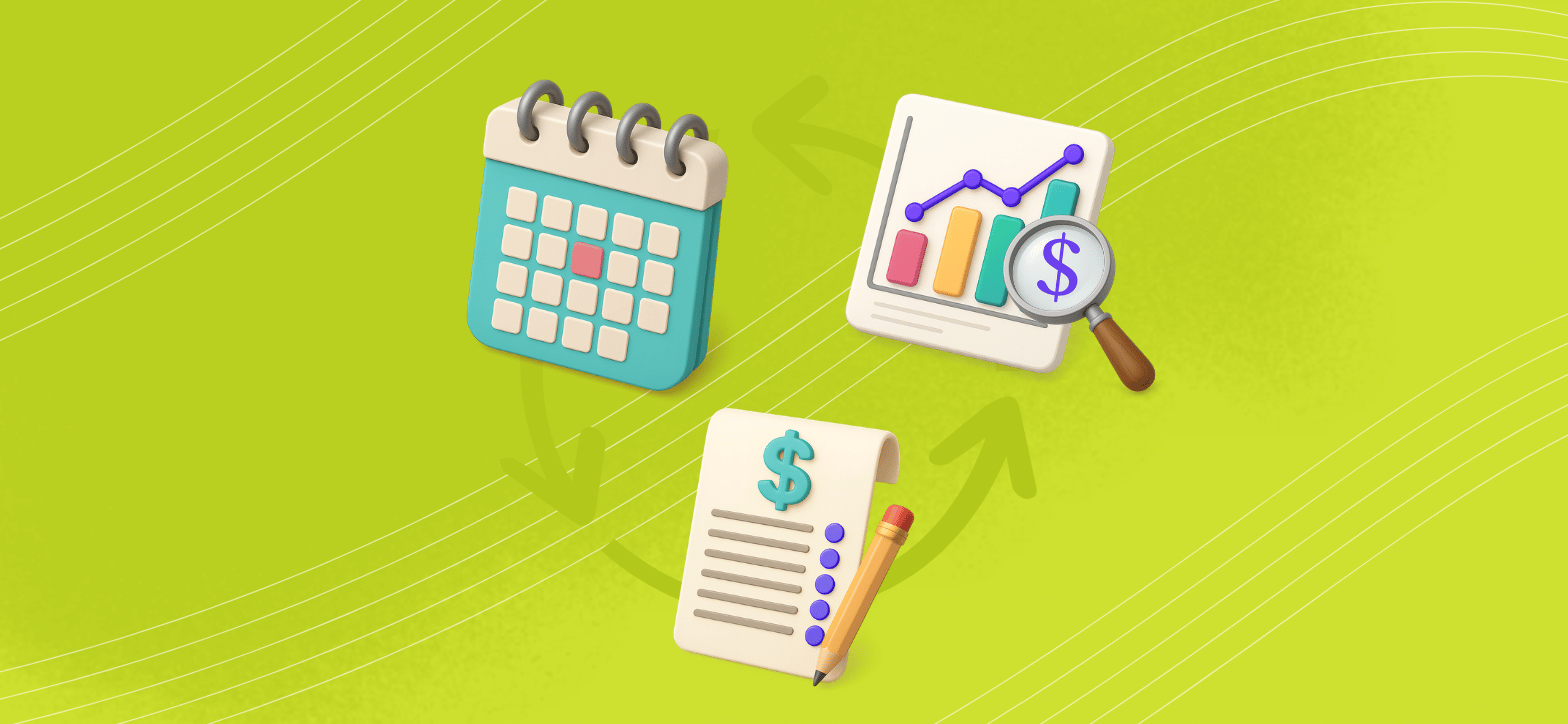
Procurement automation uses technology, rules, and AI-assisted workflows to reduce manual work across purchasing, approvals, invoices, payments, contracts, and renewals.
Automation can speed up purchasing, but speed alone doesn't indicate whether a quote is competitive. It also cannot tell you whether usage supports the spend or which renewals need attention. Buyers need current pricing benchmarks and supplier context for those decisions.
The right approach combines automation with intelligence. That reduces repetitive work while giving procurement, finance, and IT better visibility into recurring SaaS and AI spend.
This guide explains how procurement automation works, what to automate first, where it creates value, and where commercial intelligence should guide the decision.
What Is Procurement Automation?
Procurement automation is the use of technology to execute repetitive procurement tasks with less manual intervention. Automated procurement workflows can cover intake, approvals, purchase-order creation, invoice matching, contract management, and renewal tracking.
It's part of a broader shift toward digital procurement. A 2026 Hackett Group study found that AI-enabled technology had become a top-three priority for procurement leaders for the first time.
For SaaS buyers, the risk profile differs from physical purchasing. Missed renewals, shadow IT, changing usage, and pricing often require more attention than receiving or shipment workflows. Procurement process automation should account for those risks.
Procurement automation also overlaps with several adjacent concepts, but the terms aren't interchangeable:
- E-procurement: Uses digital systems to support purchasing activities.
- Procure-to-pay: Covers the workflow from purchase request through payment.
- Source-to-pay: Starts earlier, including sourcing and supplier selection before the procure-to-pay process.
- Spend management: Covers the broader discipline of monitoring and controlling company spend.
- Purchasing: Refers to the transactional act of buying goods or services.
How Procurement Automation Works
Procurement automation carries information from one stage to the next so teams don't have to re-enter the same data manually.
Rules-based automation follows predefined conditions. For example, a request over $20,000 could automatically route to the CFO. An invoice that matches an approved purchase order could move forward without another manual review.
AI-assisted automation analyzes patterns rather than relying only on predefined logic. It can extract contract data, flag anomalies, benchmark pricing, and surface issues that may need review.
Across the procurement workflow, automation can support several common activities:
- Intake and request routing: Procurement workflow automation captures requests through a consistent process and routes them based on spend, category, department, or risk. Clean information at the start reduces downstream delays and makes it harder for unapproved purchases to bypass the process.
- Approvals and purchase orders: Once the required conditions are met, approval routing and purchase order automation can move a request forward without another manual handoff. That reduces stalled requests and back-and-forth between procurement, finance, and budget owners.
- Invoice matching and payments: Invoice data can be matched against purchase orders, receipts, and contract terms through two-way or three-way matching. Automation can flag mismatches, duplicate invoices, and payment exceptions before payment is approved. Accounts payable automation handles this part of the broader procurement process.
- Contract and renewal management: Centralized contract data makes renewal and opt-out dates easier to track. A contract management system can then trigger alerts before decision windows close. For SaaS and AI spend, that lead time lets teams right-size usage, compare pricing, and negotiate before the decision window closes.
What You Can Automate Across the Procurement Lifecycle
Procurement automation can support several stages of the buying lifecycle. The value comes from reducing manual work and giving teams better information before decisions are made.
- Intake and approvals: Capture and route requests through a consistent workflow. This reduces repeated email handoffs and creates a clear record for procurement and finance.
- Purchase orders and receiving: Automatically generate approved purchase orders and match received goods to the original order. This reduces manual reconciliation when quantities or items don't match.
- Invoice matching and payment: Compare invoices against purchase orders and contract terms before payment. This helps surface duplicate invoices, pricing discrepancies, and other exceptions.
- Spend visibility and shadow-purchase discovery: Compare card statements, expense data, and application activity with approved purchasing records to identify gaps in spend control. Earlier visibility gives teams more time to review unmanaged purchases.
- Contract, usage, and renewal tracking: Connect contract terms, renewal dates, and usage data so teams can assess the decision before the renewal window closes.
Automation still has limits. Procurement software features can support routine execution, but strategic negotiations, complex exceptions, and high-risk decisions still benefit from human judgment.
The Business Value of Procurement Automation
Teams can evaluate procurement automation ROI across three main areas: capacity, measurable savings, and better visibility into spend and commitments.
Faster cycle times and reclaimed capacity
Removing repetitive handoffs can shorten purchasing cycles and increase capacity for a lean team. Establish a baseline before automation. Measure the time from request submission to purchase order or completed purchase. Then compare the same workflow after implementation.
Cycle time alone does not prove ROI. Pair it with measures such as manual touches, requests completed, and employee time required to manage the process.
Hard-dollar savings and fewer errors
Automation can reduce costs caused by manual errors and missed actions. Track fewer payment errors, lower duplicate or maverick spend, earlier renewal action, and savings from early-payment discounts.
Separate operational savings from negotiated savings. Preventing a duplicate invoice is different from lowering a supplier quote through negotiation. Keeping those categories distinct makes the business case easier to validate.
Spend visibility, compliance, and control
Centralized data gives finance and procurement a clearer view of commitments, contracts, approvals, and exceptions. Better visibility can support forecasting, audit preparation, and more consistent adherence to purchasing policies. It also gives teams the information they need to intervene before a renewal or unmanaged purchase becomes harder to change.
Why Automation Alone Won't Stop You From Overpaying
Workflow automation can route a purchase faster without telling you whether the price or commercial terms are competitive.
That distinction matters for modern technology buying. Automation executes the process. Commercial intelligence helps the buyer decide whether the pricing and terms are competitive.
That decision requires information such as:
- Market pricing intelligence
- Benchmarks from negotiated deals
- Supplier context
- Renewal timing
- Usage and contract data
The AI tax is one example of why historical pricing may not be enough. Vendors may add AI capabilities at renewal or introduce consumption-based pricing that changes the underlying cost model.
According to Tropic's 2026 pricing trends, AI-related renewal increases can range from 20% to 37%. A pricing change should trigger a new market comparison rather than an automatic approval.
The source of that market context matters too. Tropic works exclusively for buyers, with no supplier relationships, referral fees, or kickbacks influencing its recommendations.
How Procurement, Finance, and IT Should Approach Automation
Procurement, finance, and IT approach automation with different priorities. Define ownership around the job each team needs the system to support.
- Procurement teams: Reduce repetitive execution so limited capacity can shift toward higher-value sourcing and negotiations. Pricing and supplier intelligence help teams decide where that attention will have the greatest impact.
- Finance leaders: Gain clearer visibility into committed spend, changing costs, and upcoming decisions. Automation can support forecasting, cash-flow management, and earlier action on renewals.
- IT and security: Identify new and unmanaged applications earlier. Automated discovery and purchasing workflows can help surface SaaS sprawl, vendor overlap, shadow IT, and compliance exposure.
The underlying data should support all three groups. What changes is the decision each team needs to make with it.
How to Evaluate a Procurement Automation Tool
Choosing what to automate is only the first decision. The next question is whether a system fits the spend you manage and improves the commercial decisions tied to it.
When comparing SaaS procurement software and AI-powered procurement tools, evaluate four areas:
- Fit for your spend type: Check whether the system supports the purchases you actually manage. For SaaS-heavy organizations, that includes subscriptions, renewals, usage-based pricing, AI consumption, and shadow purchases. A system built primarily for physical goods may offer less depth around subscriptions, consumption pricing, renewals, and recurring spend.
- Intelligence, not just workflow: Determine whether the tool improves the commercial decision as well as the process. Ask where pricing benchmarks come from, how current they are, and whether they reflect negotiated outcomes. Check for supplier commissions, referral fees, or other incentives that could influence recommendations.
- Integration and time to value: Evaluate ERP and accounting integrations, API coverage, setup requirements, and how quickly the first workflow can go live. Fix inefficient processes before automating them. Automation can accelerate a poor workflow just as easily as a good one.
- Flexibility and support: Look for a model that lets teams self-serve routine work while providing access to expert support for complex negotiations and exceptions. Consider whether data and intelligence can move into the tools employees already use rather than remaining in another isolated system.
A useful implementation strategy is to start with one expensive or time-consuming bottleneck. Measure the result before expanding to the next workflow.
How Tropic Automates Software Procurement
Procurement automation creates the most value when it removes repetitive work without automating decisions that still require context. Intake, approvals, renewal alerts, and other routine workflows can move faster, while pricing, supplier strategy, and complex negotiations still depend on current market information and human judgment.
That distinction is especially important for software and AI spend. Recurring contracts, changing usage, consumption-based pricing, and fast-moving supplier terms create purchasing decisions that workflow automation alone cannot resolve. Teams need automation to surface the right decision at the right time, then intelligence to determine what action makes commercial sense.
Tropic applies that model to intelligent procurement software for SaaS. It combines automated workflows and proactive insights with pricing and supplier intelligence informed by live negotiations. Teams can automate routine procurement work while using market benchmarks, renewal context, redundant spend insights, and commercial expertise where the decision warrants deeper attention.
The goal of procurement automation is ultimately better purchasing, not simply faster purchasing. By deciding what to automate, measuring the impact, and keeping intelligence in the decisions that affect cost and supplier strategy, teams can create a procurement process that scales without giving up commercial control.
Request a demo to see how Tropic combines procurement automation with the intelligence behind better software buying decisions.
FAQ: Procurement Automation
Does Procurement Automation Require AI?
No. Rules-based automation can handle routing, approvals, matching, and alerts without AI. AI procurement can add capabilities such as document extraction, discovery, benchmarking, anomaly detection, and proactive analysis.
How Is Procurement Automation Different From Accounts Payable Automation?
Accounts payable automation focuses mainly on invoices, approvals, and payments after a purchase is made. Procurement automation covers a broader workflow before and after the purchase. That can include requests, sourcing, approvals, purchase orders, contracts, and renewals.
Can Procurement Automation Work Without Purchase Orders?
Yes. Purchase order automation is only one use case. SaaS and other indirect spend may rely more heavily on approvals, contracts, subscriptions, usage data, and renewal workflows. A procurement process can automate those activities without requiring every purchase to follow a traditional PO workflow.
How Do You Measure Procurement Automation ROI?
Establish a pre-implementation baseline for cycle time, manual touches, errors, unmanaged spend, savings, renewal outcomes, and team capacity. Remeasure the same metrics after implementation to quantify the change.

Related blogs
Drive savings and efficiency at any stage
Discover why hundreds of companies choose Tropic to gain visibility and control of their spend.