Cost Savings

Unlock hidden capital to fuel your growth

Tropic illuminates spend optimization opportunities—delivering immediate savings you can use to move the needle on what matters.

We deliver measurable results

44k+
renewal requests
$15B+
spend managed
300k+
hours saved
$380M+
savings delivered
21%
avg savings

Benefits of spend optimization

Pay what you should–not what they ask

SaaS vendors are banking on your lack of market data. Tropic arms you with pricing intelligence so you never overpay again.

Put an end to shadow spend

Expose unused licenses, forgotten subscriptions, and redundant tools that silently drain your budget every month.

Tap in the experts

Our SaaS specialists have negotiated thousands of deals across every category–they live for negotiations so you don’t have to.

How it Works

Scan and detect undesirable spend

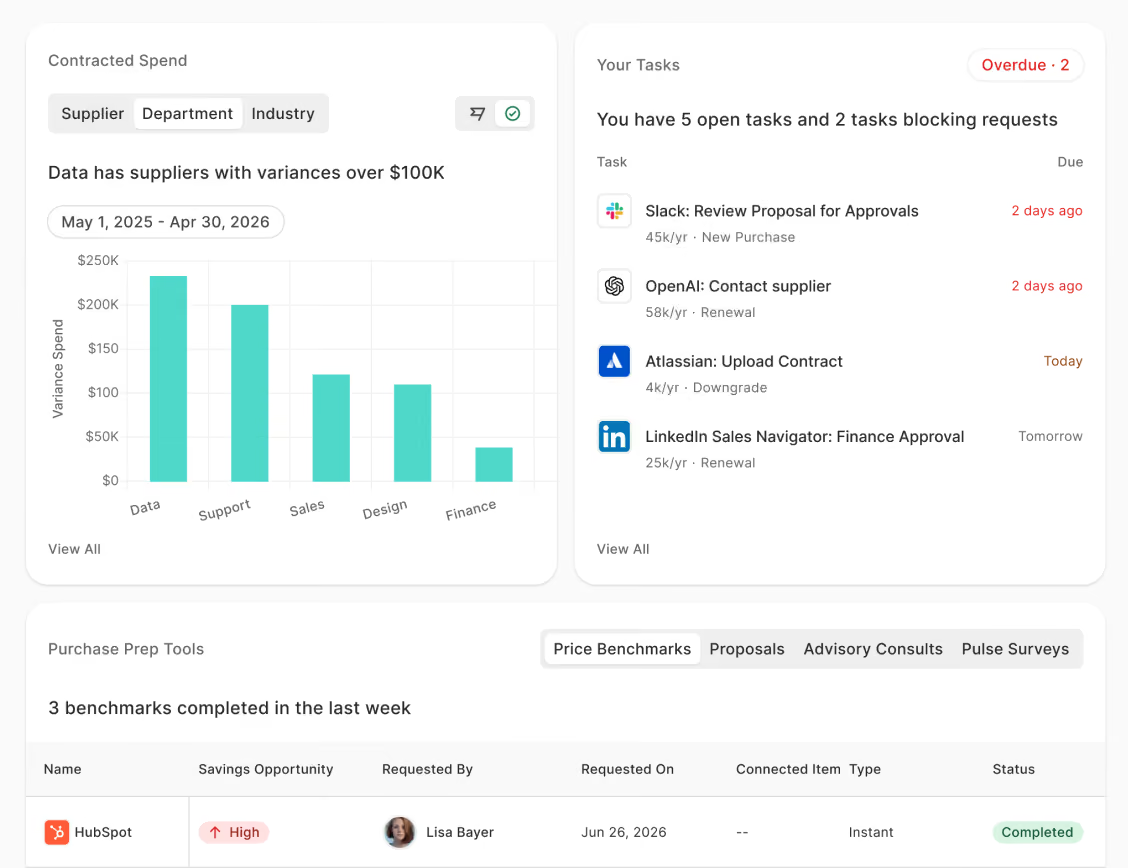
Variance Analysis helps you spot hidden spend instantly across your entire SaaS footprint.

Get the best price

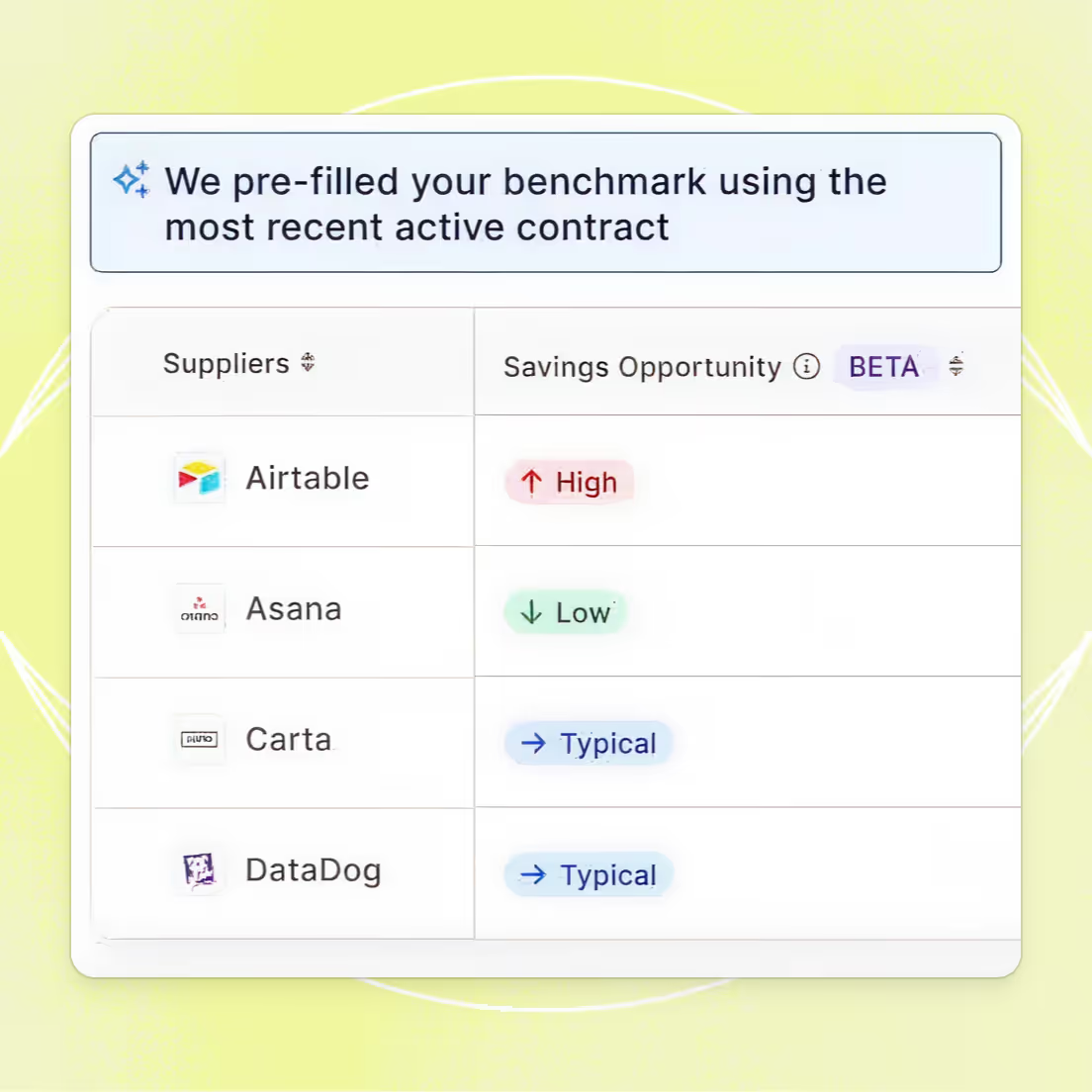
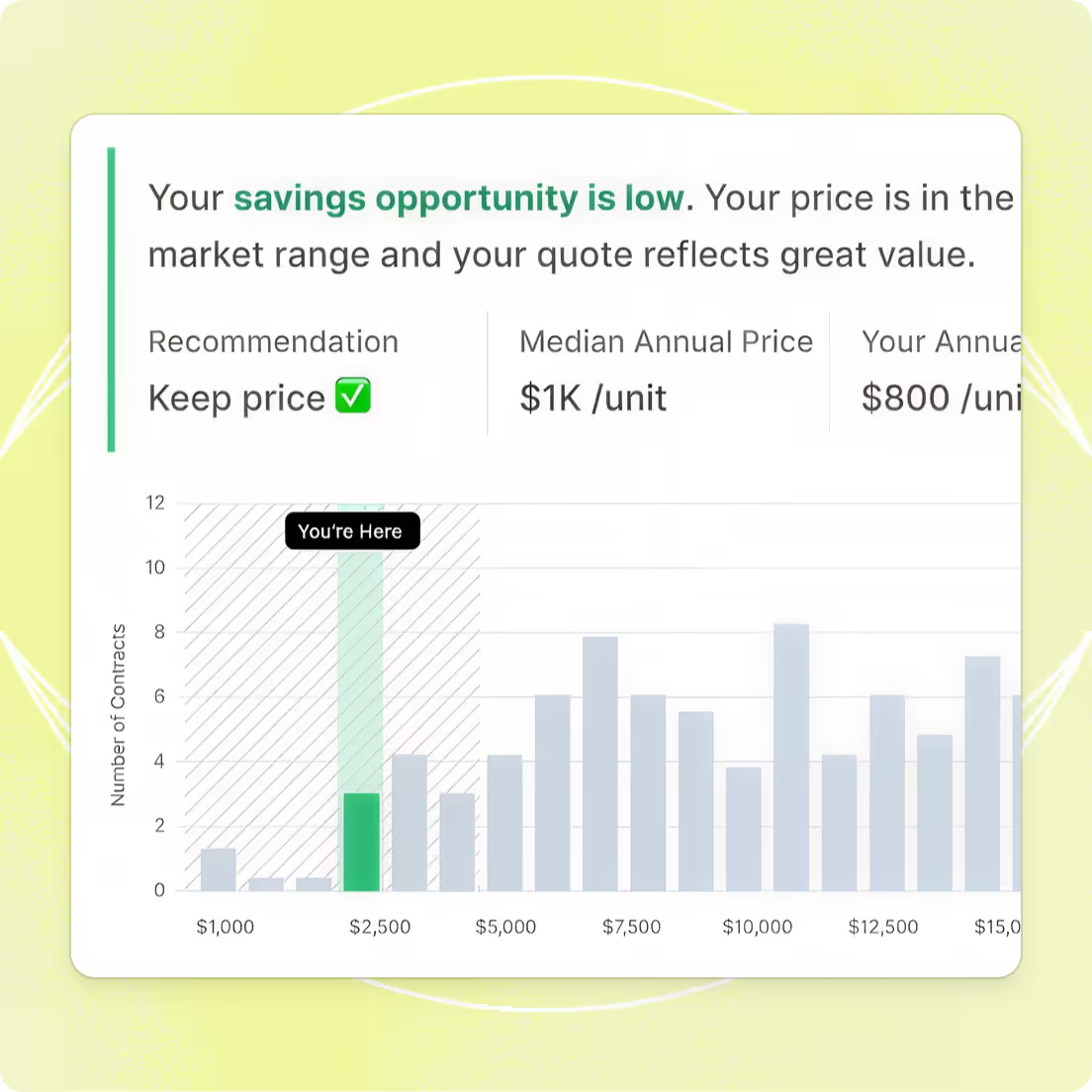
Price Benchmarks reveal what you should really pay, giving you a leg up in negotiations.

Cut and consolidate licenses

Usage Analysis flags unused licenses while Tech Stack Analysis & Recommendations (TSAR) uncovers redundant tools.

Arm yourself for negotiations

Supplier Insights and Negotiation Playbooks build your vendor-specific battle plan.

Outsource. Save. Win.

Tap in Tropic’s Expert Negotiators to handle software negotiations while you focus on business growth.

We Integrate With All Your Tools

Full Integrations List
Not seeing your tool? 

Easily build integrations using our public API.

How leaders are leveling up with Tropic

Having a hard time predicting spend?

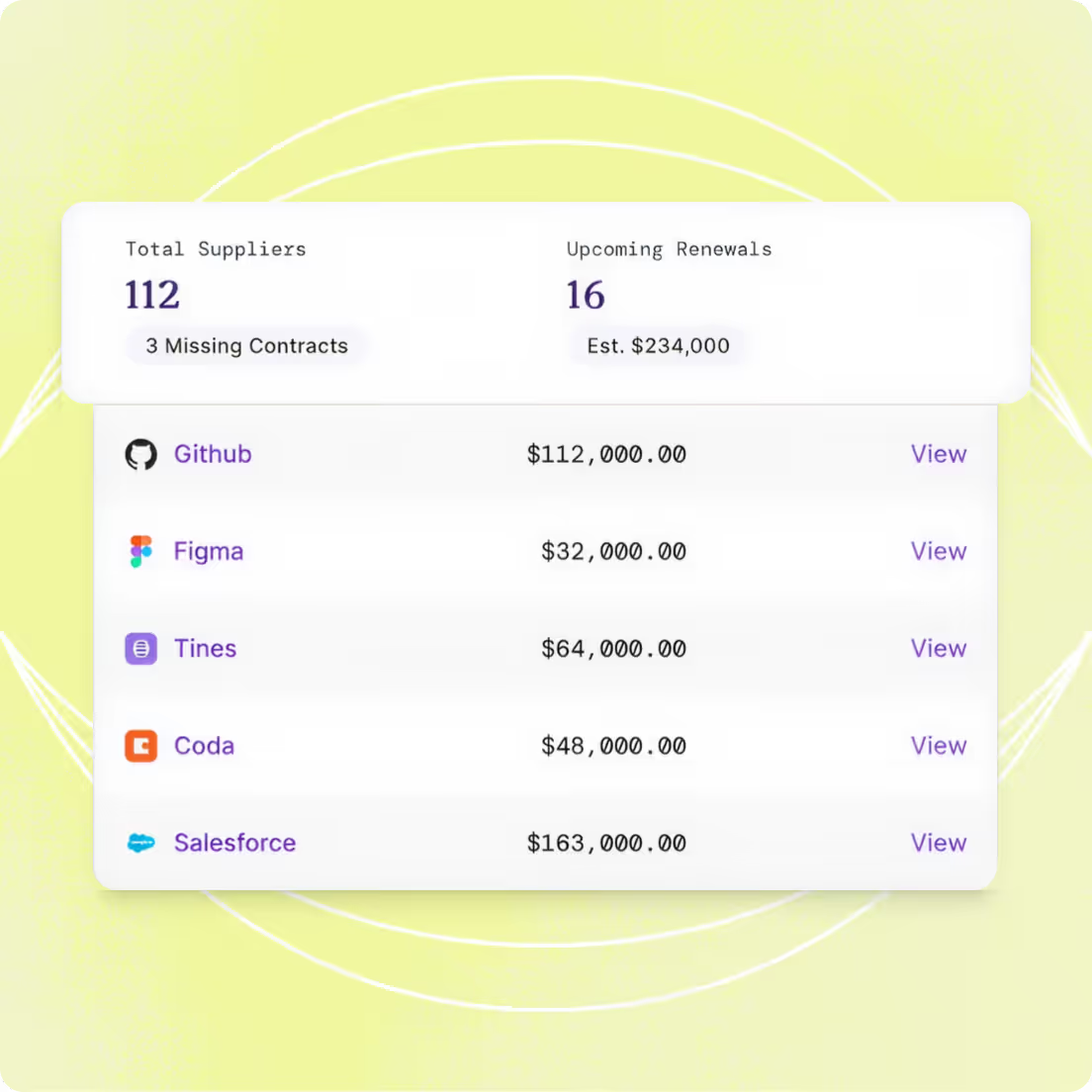
Tropic connects your finance tech stack — from ERP to CLM — creating a unified view of all spend while automatically detecting shadow spend and waste.

Find out more
Finance

Is your procurement process the wild west?

Unblock your team with an automated, intuitive intake process that makes for easy adoption and even easier approvals.

Find out more
Procurement

Is your company exposed to unnecessary vendor risk?

Don’t leave your company vulnerable. Tropic reduces security risk through annual reminders for SOC2 reviews, facilitation of vendor security questionnaires, and automated compliance checks.

Find out more
IT & Security

Having a hard time predicting spend?

Tropic connects your finance tech stack — from ERP to CLM — creating a unified view of all spend while automatically detecting shadow spend and waste.

Find out more

Frequently Asked Questions (FAQs) About SaaS Cost Savings

How can companies reduce SaaS costs?

Companies reduce SaaS costs through a combination of visibility, optimization, and negotiation. The most effective approach starts with comprehensive spend analysis to identify all software subscriptions and usage patterns across the organization. Eliminate waste by cutting unused licenses, consolidating redundant tools, and removing forgotten subscriptions that drain budgets silently. Optimize existing contracts by rightsizing licenses based on actual usage data rather than vendor projections. Negotiate better pricing using market benchmarks and competitive intelligence that reveal what you should actually pay. Implement intake and approval processes that prevent unnecessary purchases before they happen. Organizations typically reduce SaaS spending by 15-30% through systematic cost optimization that combines these strategies. The largest savings coming from eliminating shadow spend, consolidating duplicate tools, and renegotiating contracts armed with real market data rather than vendor asking prices.

What are the biggest sources of SaaS waste?

SaaS waste typically comes from four major sources that silently drain budgets. Unused licenses represent the largest waste category, when organizations pay for seats that employees never log into or have abandoned after initial setup. Redundant tools occur when multiple departments purchase overlapping software without visibility into what's already approved, creating duplicate subscriptions for similar functionality. Shadow spend includes forgotten subscriptions that auto-renew indefinitely, unauthorized purchases that bypass procurement, and trial subscriptions that convert to paid without oversight. Overpaying on renewals happens when contracts auto-renew at list price without negotiation, or when organizations lack market benchmarking data to push back on vendor pricing. These waste sources compound over time; a $50 per month forgotten subscription becomes $600 annually, multiply that across dozens of tools and the waste reaches tens of thousands or even millions depending on company size.

How do you identify unused SaaS licenses?

Identifying unused SaaS licenses requires continuous monitoring of user activity across your software portfolio. The most effective approach combines direct integration with SaaS applications to track login frequency and feature usage, automated reports that flag licenses with no activity over specified timeframes, and variance analysis comparing purchased licenses against active users. However, many organizations struggle with this because data lives in scattered systems. Usage information sits in individual SaaS admin portals, purchase data lives in finance systems, and license counts exist in procurement spreadsheets. Tropic solves this through centralized usage analysis that automatically monitors activity across your entire tech stack, proactively flags inactive licenses, and surfaces optimization opportunities without requiring manual audits. This continuous monitoring catches waste as it emerges rather than months later during annual reviews when you've already paid for licenses that delivered zero value.

What is SaaS spend optimization?

SaaS spend optimization is the systematic process of maximizing value from software investments by reducing waste, improving contract terms, and aligning purchases with actual business needs. This goes beyond simple cost cutting to include strategic decisions about which tools deliver ROI, how to consolidate overlapping functionality, and when to negotiate for better pricing versus switching vendors. Effective spend optimization combines visibility into all SaaS purchases and usage, analysis to identify waste and redundancy, benchmarking to understand fair market pricing, and negotiation strategies informed by market intelligence and vendor dynamics. The goal is not to slash spending arbitrarily but to ensure every dollar spent on software delivers measurable business value, effectively eliminating waste while preserving or enhancing the tools that drive productivity and growth.

How much can companies save on SaaS spending?

Companies typically save 15-30% of their total SaaS spending through systematic optimization, though savings vary based on current maturity and spend size. Organizations with minimal spend visibility and no formal procurement process often see savings at the higher end of this range or beyond. The savings come from multiple sources: eliminating unused licenses typically recovers 10-15% of software costs, consolidating redundant tools saves another 5-10%, renegotiating contracts with market benchmarks yields 10-20% on individual renewals, and preventing shadow spend stops waste before it occurs. For a company spending $5 million annually on SaaS, 20% savings means $1 million in recovered capital that can fund growth initiatives, hire additional team members, or improve profitability. The largest savings come within the first year of implementing comprehensive spend management, with ongoing optimization delivering 5-10% annual savings as new waste emerges and contracts come up for renewal.

What is price benchmarking for SaaS?

Price benchmarking for SaaS is the practice of comparing your software costs against market rates to ensure you're paying fair value rather than inflated vendor asking prices. Effective benchmarking requires access to real transaction data across thousands of deals, segmented by company size, industry, and contract terms so comparisons reflect companies similar to yours. This market intelligence reveals the true price range for software purchases and exposes when vendors quote prices significantly above market rates. Armed with benchmark data, procurement teams negotiate from a position of strength rather than accepting vendor pricing at face value. Tropic provides price benchmarking powered by over $15 billion in procurement transaction data, giving you visibility into what companies like yours actually pay for software and show the discounts and terms achievable through skilled negotiation and market leverage.

How do AI agents help with SaaS cost savings?

AI agents transform SaaS cost savings from reactive cleanup to proactive optimization. AI trained on massive procurement datasets can analyze spending patterns across your entire software portfolio to surface savings opportunities that would take procurement teams weeks to find manually. Machine learning models identify anomalies like unexpected price increases, detect usage patterns that signal license waste, and predict which renewals pose the greatest risk for overspending. AI agents can automatically match your spending against market benchmarks to flag contracts where you're overpaying, recommend optimal license configurations based on actual usage data, and surface consolidation opportunities where redundant tools drain resources. Tropic leverages AI agents trained on $15B+ in transaction data to continuously monitor your SaaS spending, proactively flag optimization opportunities, and deliver intelligent recommendations that typical spend management approaches miss—enabling procurement teams to focus on strategic initiatives rather than manual spend analysis.

What should you negotiate in SaaS contracts?

Effective SaaS negotiation goes beyond headline price to address multiple contract terms that impact total cost and flexibility. Price and discounts are obvious starting points—use market benchmarks to understand fair pricing and negotiate volume discounts, multi-year commitments, or competitive displacement deals. Payment terms matter significantly: annual prepay versus monthly, payment schedules, and invoice timing all affect cash flow. Contract length and renewal terms determine how locked in you are—negotiate renewal caps to prevent price increases, auto-renewal terms that give adequate notification, and flexibility to reduce licenses if usage decreases. Usage rights including license models, user definitions, and overage policies prevent surprise charges as your needs evolve. Exit clauses and termination rights provide flexibility if the software doesn't deliver value. Having expert negotiators who understand vendor dynamics and market rates is invaluable—Tropic's negotiation specialists have closed thousands of SaaS deals and know exactly which levers to pull for maximum savings.

How do you prevent SaaS cost overruns?

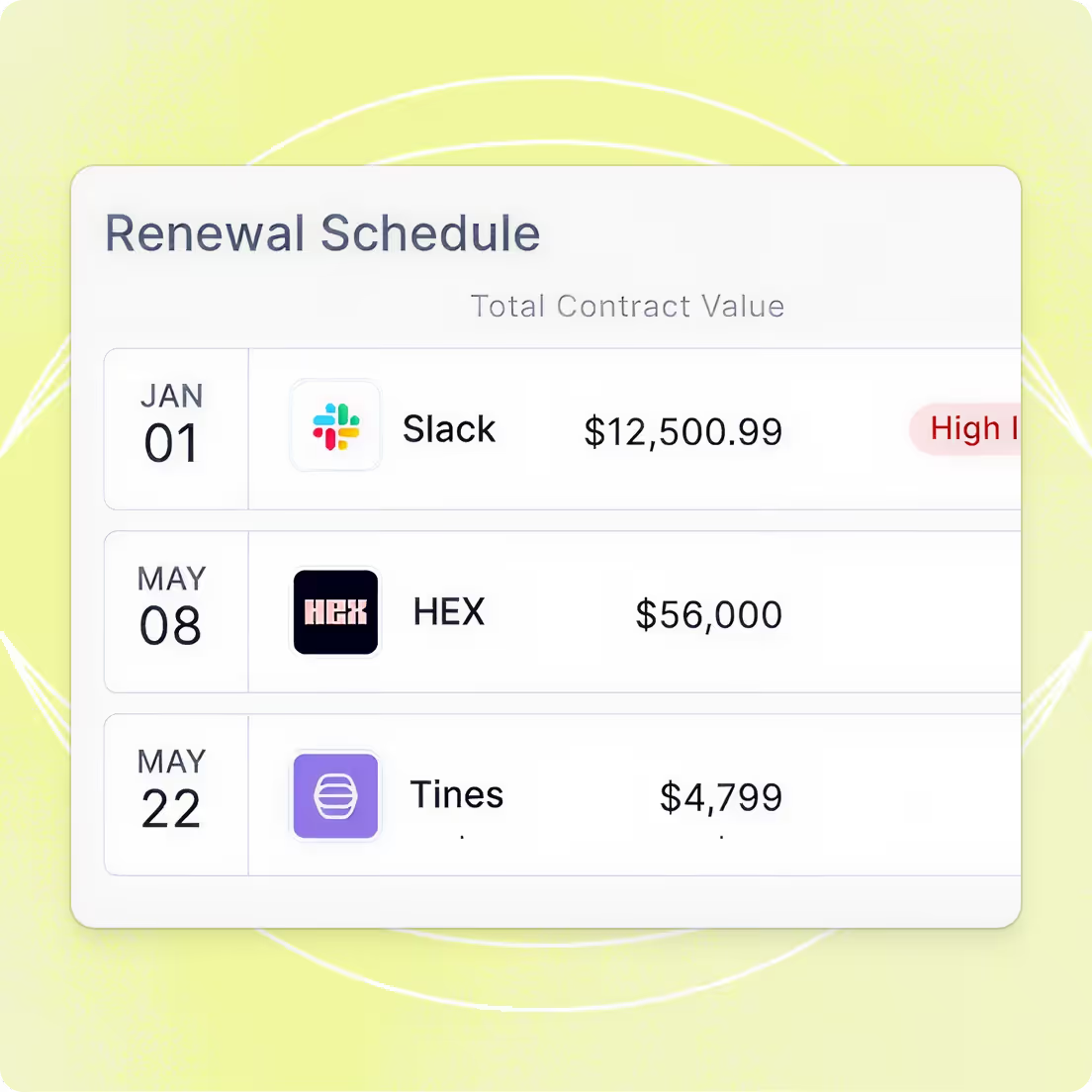
Preventing SaaS cost overruns requires proactive controls rather than reactive cleanup after budget damage occurs. Implement intelligent intake processes that route all software requests through proper approval workflows, ensuring no unauthorized purchases slip through. Set up renewal tracking with alerts well before contract deadlines so negotiations happen proactively rather than under time pressure when vendors have leverage. Monitor usage continuously to catch underutilized licenses and redundant tools before they drain resources for months. Establish approval thresholds where larger purchases require finance sign-off and cost-benefit justification. Connect your ERP for variance analysis that flags discrepancies between contracted and actual spend immediately. Create visibility across departments so teams can see what's already approved before purchasing duplicate tools. Tropic prevents cost overruns by combining all these controls in one platform—intelligent intake stops unnecessary purchases, automated renewal alerts prevent surprise auto-renewals, and continuous monitoring catches cost anomalies before they impact budgets, ensuring SaaS spending stays on track and aligned with planned budgets.

What is the difference between cost savings and cost avoidance?

Cost savings represent actual reductions in spending compared to current costs—money that was being spent and now isn't due to optimization efforts. Examples include eliminating unused licenses, negotiating better renewal pricing, or consolidating redundant tools. Cost savings appear as direct budget reductions or recovered capital. Cost avoidance prevents future spending that would have occurred without intervention—money you would have spent but didn't because of proactive action. Examples include preventing shadow purchases through intake controls, avoiding price increases by negotiating renewal caps, or stopping auto-renewals that would have converted at list price. Cost avoidance is harder to measure because you're quantifying something that didn't happen, but it's equally valuable for budget management. Effective spend optimization delivers both: immediate cost savings from cleaning up existing waste and ongoing cost avoidance by preventing new waste from emerging. Organizations focused only on cost savings miss the larger opportunity to prevent problems before they impact budgets.

Customer testimonials

Join the hundreds of companies who control and reduce their spend with Tropic’s AI Spend Management platform.

Without Tropic, procurement would’ve come to a screeching halt at RainFocus because of limited internal personnel. The platform is good, but the people are great. Tropic offers well-managed service, and I get responses in a timely manner.

Brandon Bailey

VP Strategic Financial and People Operations

Tropic clearly shows where a deal is in the workflow and is the source of truth our vendor contracts. Easy to use and implement.

Dillion Jacobson

Tropic has been one of the highest ROI initiatives we’ve ever deployed on the finance team at Zapier, they are true partners to us, and it’s been amazing watching them release better and better technology to help Zapier save money.

Ryan Roccon

VP of Finance

Drive savings and efficiency at any stage

Discover why hundreds of companies choose Tropic to gain visibility and control of their spend.