

Remember these 4 steps
- 1Gain visibility
- 2Break the status quo
- 3Bring the data
- 4Build buy-in

1. Gain Visibility
Improve your visibility so you know who your suppliers are, and if any renewals are coming your way. Visibility is what allows you to control cash flow, prevent surprise expenses, and create leverage in negotiations…all without adding operational bloat. This is your first step to protect cash and mitigate risk.

Goal → Build a lightweight, reliable system that gives you visibility into who you're paying, how much you're spending, and when key contracts or renewals are coming up.
Start here:
1. Centralize supplier information.
- Build a simple tracker that lists all current suppliers, spend amounts, renewal dates, and points of contact (a spreadsheet can be used to start, but Tropic can automate and sort this).
2. Consolidate contracts and pull critical contract metadata.
- Focus on basics: end dates, auto-renewal clauses, spend thresholds, cancellation windows. You don't need full contract audits, just the essentials to avoid bad surprises (great way to leverage AI).
3. Map upcoming budgeted spend.
- Get ahead of big spikes that could squeeze liquidity. Best practice is to review this monthly.
4. Prioritize by urgency and impact.
- Build a project pipeline based on two questions:
- What could materially affect cash flow soon?
- Where could early renegotiation create real savings or better terms?
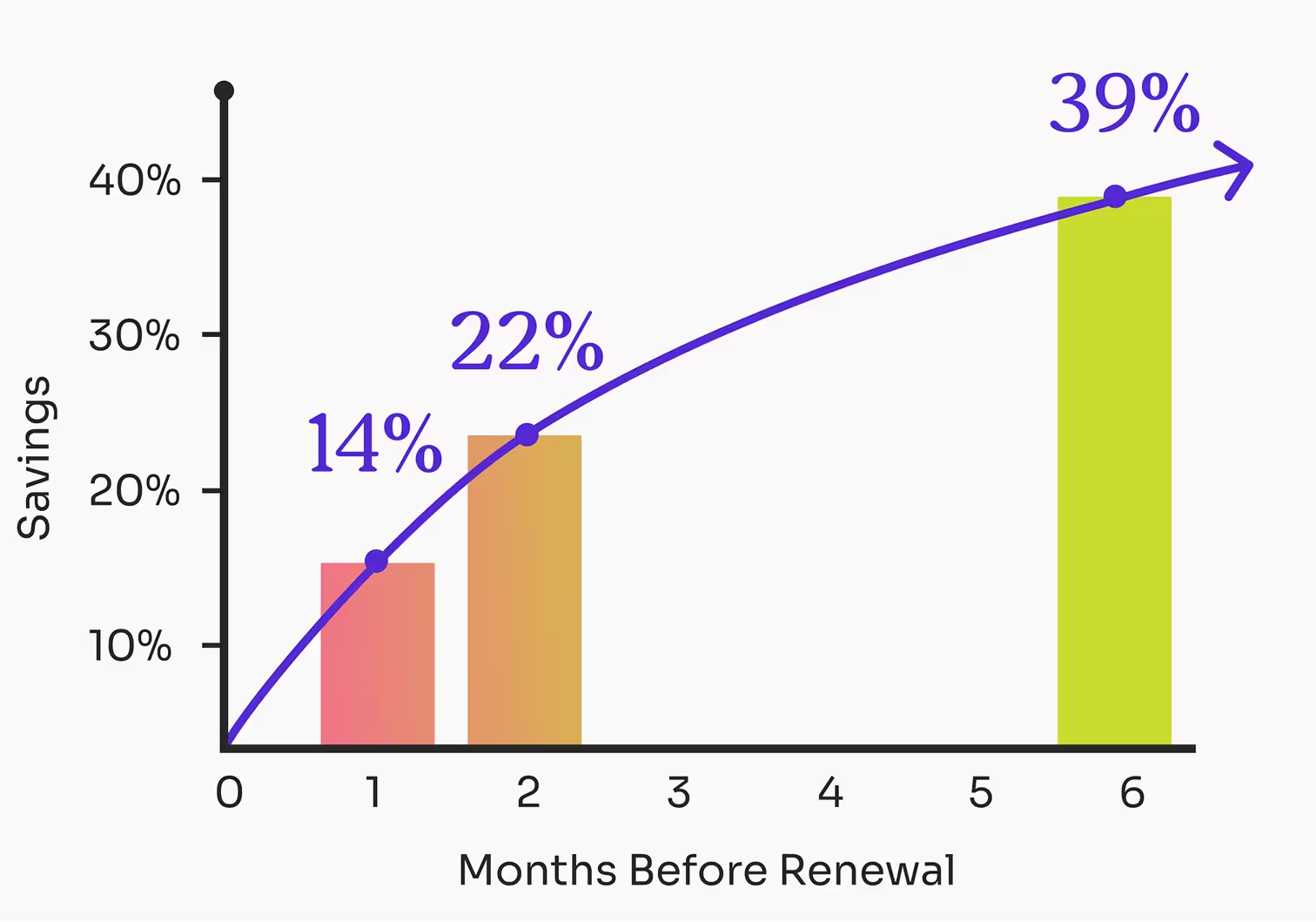

Tip → Prepare for renewals at least 120 days in advance (if not sooner). Tropic data shows that kicking off renewal reviews at least six months out drives an average of 39% higher savings.

2. Break the Status Quo
The best strategic sourcing processes balance efficiency and excellence. That means minimizing waste while maximizing value (not just at the departmental level, but across the company).
Too often, tools that once made sense are kept alive out of inertia. Or worse, multiple teams pay for similar tools that solve overlapping problems. What feels optimized locally may actually be fragmented at the enterprise level.
Goal → Challenge legacy spend to uncover better solutions and improve strategic alignment. Now is the time to take a zero-based budgeting lens to your supplier landscape.
Here's how to do it:
1. Start with business objectives.
- Before you evaluate any supplier, get clear on what the business is trying to achieve. Anchor sourcing decisions to these specific goals, not vague preferences. Define decision criteria up front (think an easy scorecard) and then find a couple options to evaluate.
2. Use structured questionnaires to gather input.
- Send a short pulse survey (1-5 scoring) to stakeholders asking:
- How critical is this supplier to your work?
- What business goal does it help you accomplish?
- How open are you to exploring alternatives?
3. Lean into visibility and timing.
- You likely already have strong compliance. Now layer in renewal visibility (contract end dates, need-by dates, opt-outs) and utilization data. This gives you lead time to act and avoid rushed renewals or underused tools.
4. Assess supplier performance.
- When suppliers aren't meeting expectations, you likely have both a business appetite and justification to source new options. CSAT scores and understanding how well a supplier is helping achieve company goals goes a long way to help your cause here.
5. Stay plugged into the supplier market to boost your sourcing efforts.
- The vendor landscape is evolving fast. Use AI-powered tools like Tropic to automatically uncover consolidation opportunities, benchmark capabilities, and identify innovative alternatives. Companies that will legitimately put two (or more) viable suppliers head-to-head will not only improve negotiation leverage, but allow you to have optionality. Aligning with the strongest supplier will have a huge impact on company production and output.
“Even the best sourcing strategy falls flat without stakeholder alignment. Roll out a lightweight enablement plan to create transparency in decisions, invite collaboration earlier, and help teams move faster.”
3. Bring the Data
Make every sourcing decision smarter with the right insights (whether you lead out or have someone else do it). In today's environment, speed and savings aren't enough, you also need clarity. That means understanding why you're choosing a supplier, what they deliver, and how to structure the deal for long-term success.
Goal → Justify and support every spend decision with reliable benchmark data, negotiation insights, and/or outsourced expertise.
Here's how to make data your advantage:
1. Use benchmark data (but don't stop there).
- Benchmarks are helpful, but they're just the floor. The most effective sourcing decisions are made using deep supplier insights:
- What does "good" really look like for this category?
- What strategy (pricing, terms, structures) unlock optimal ROI and lowest price?
- What's changing in the market that we should plan for?
2. Partner when you need leverage.
- If you don't have time or resources to run a full sourcing event or deep-dive a renewal, leverage services like Tropic to manage the process for you.
- Category-specific specialists can either consult for you or lead out on the negotiation or sourcing event - saving your team valuable time and money. Plus, their expertise is unmatched.
3. Implement a standard justification framework.
- This makes approvals much quicker and thorough. Including information about the price comparative to budget and benchmarks will help. Adding some information regarding the strategy and the outcome against company goals is a big unlock.
“When you lead with data (rather than your gut) you spend smarter, move faster, and negotiate from a position of strength. Plus it's much easier and faster to arrive at a decision.”

4. Build Buy-In
Drive adoption with a great experience, aligned incentives, and clear rules of the road. Even the best procurement strategy can fail if no one follows it. Spend is like water, it will often follow the path of least resistance (leading to spend on credit cards and losing visibility).
To earn buy-in from teams across the company, you need to align procurement with their goals, remove friction from the process, and document a policy that's easy to follow (and even easier to explain).
Goal → Implement a simple policy with stakeholder input to establish lightweight governance.
Here's how to make it stick:
1. Start with stakeholder value, not just compliance.
- People follow processes when they understand what's in it for them. That could mean:
- Helping a team hit budget targets
- Speeding up approval process
- Unlocking better functionality or service levels (to help them achieve their goals)
2. Design a policy that's clear and actionable.
- Document a lightweight procurement policy that includes:
- What information is required to kick off a request
- Approval thresholds and timelines
- What stakeholders can expect throughout the process
- Think: clear, short, and friendly rather than a legal document.
3. Make the user experience seamless.
- Your intake and approval process should feel intuitive, not bureaucratic. Make it:
- Easy to submit
- Transparent to track
- Consistent to navigate
“The easier the user experience, the more likely teams are to engage and comply early. Tropic's spend orchestration tool can automate this in a way that makes the process more efficient for everyone.”
Michael Shields is the Vice President of Procurement at Tropic, overseeing procurement operations, advising customers on spend management, and helping shape the strategy behind Tropic's software, intelligence, and services. He brings over 15 years of experience, including his role as Global Head of Procurement at Qualtrics, where he built a team that helped sustain profitability through the company's $8 billion acquisition.


Download 100 Day Plan PDF